Six clubs, one hour, four centuries of forest
The great courses around Paris were laid out on ground that was royal hunting forest long before it was fairway. That history explains their character: sandy heathland at Morfontaine, oak and beech at Chantilly, the slope down towards the Seine at Saint-Cloud. It also explains their discretion. These are not resorts.
Six of them matter internationally, spread between the Oise to the north and the Yvelines to the west. What follows is what each one actually is, and — the part most guides skip — whether you can set foot on it.
Morfontaine: the one nobody can visit
Founded on 15 October 1913 by Armand de Gramont, duc de Guiche, on a former polo field in the park of Vallière, in the Oise. The nine-hole Vallière course came first. After the First World War, with backing from Edward Esmond and Edouard de Rothschild among others, Gramont commissioned the English architect Tom Simpson to build the Grand Parcours.
Golf World ranked it first in France and first in continental Europe in 2025. Sandy soil, heather, pines, and almost no one on it — which is the point.
It is also the most closed club in the country. There are no green fees, no visitor days, and no arrangement a hotel concierge can make. You play Morfontaine as the guest of a member, or you do not play it.
Chantilly: the historic one
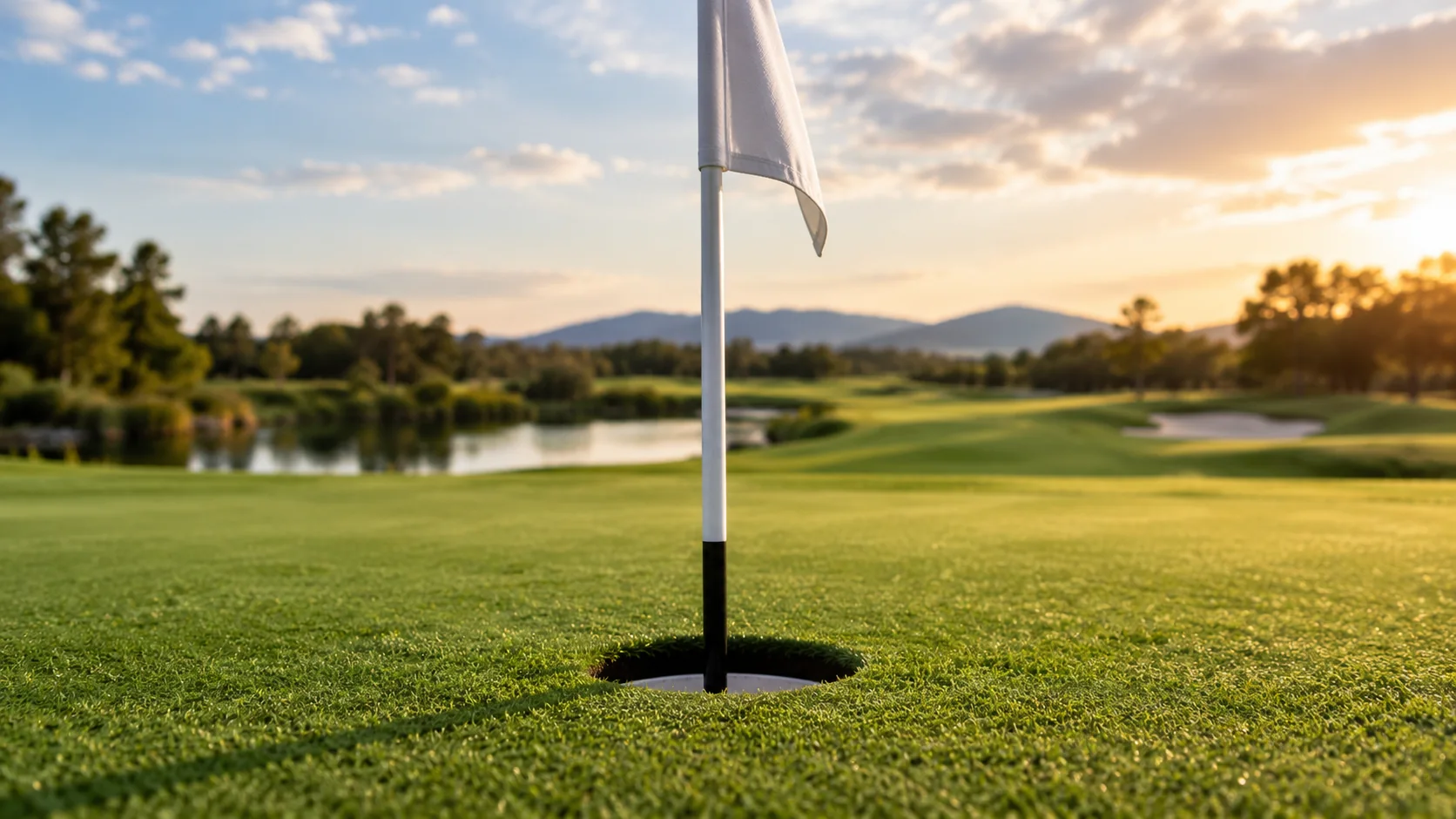
Founded in 1909, a kilometre from the Château de Chantilly and set inside the forest. The Vineuil course was begun by John Henry Taylor and extended to eighteen holes by Tom Simpson in 1920. It suffered badly in the Second World War and was abandoned afterwards; Donald Steel rebuilt the second course, the Longères, in the 1980s, keeping five of the old holes and designing thirteen new ones.
Vineuil has hosted the Open de France ten times, twice won by Nick Faldo. The club is private but has historically tolerated outside players midweek, subject to a demanding handicap. Conditions are the club’s to set and they change; ask before you travel.
It pairs naturally with the racecourse at the foot of the same château, which is a different kind of day out entirely — we cover that in Paris Racing Days.
Saint-Nom-la-Bretèche: the tournament course
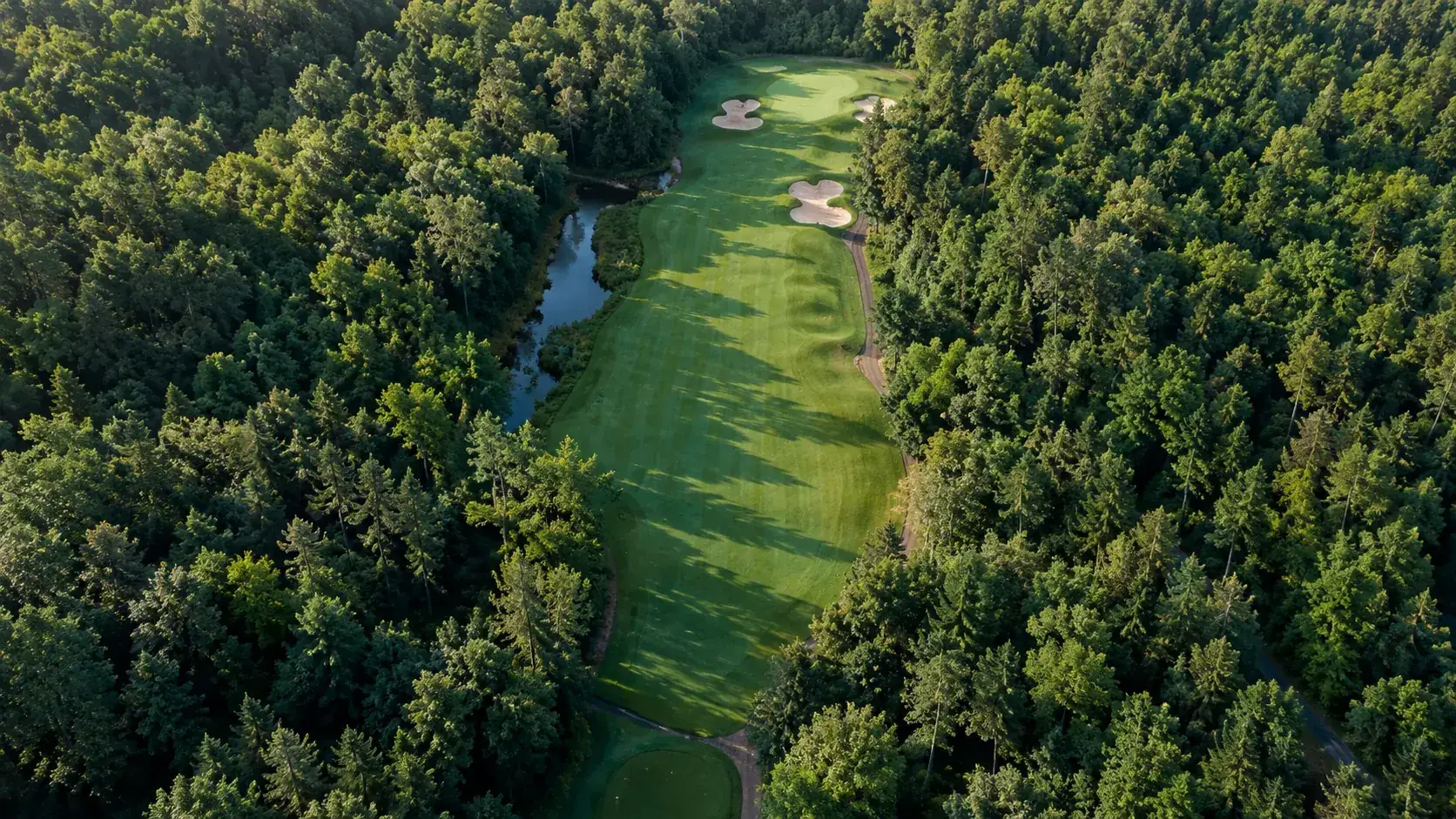
Thirty-six holes opened in 1959, twenty-five kilometres west of central Paris. It was the home of the Trophée Lancôme every year from 1970 to 2003, which for three decades put the best players in the world on this course each autumn.
Before that, in 1963, Arnold Palmer and Jack Nicklaus won the Canada Cup here. The Vivendi Trophy brought Ryder Cup-style matchplay back in 2009, 2011 and 2013. Note that the Ryder Cup itself has never been played here, despite what a good deal of the internet says: France hosted it once, at Le Golf National in 2018.
Saint-Cloud, Joyenval, Paris International
Saint-Cloud opened in 1913 to a Harry Colt design, commissioned by the American lawyer Henry Cachard. The Jaune course was added by Colt and his partner Morrison in 1930. The eighth hole on the Vert looks straight down the line of the Eiffel Tower. Fourteen Opens de France, and fifteen minutes from the city — the closest of the great clubs.
Joyenval, at Chambourcy, opened in 1992 on a classified site that was once a royal hunting estate, with two courses by Robert Trent Jones Sr. Its membership is capped at 550. That figure tells you everything about the access policy.
Paris International, at Baillet-en-France, holds the only Jack Nicklaus design in the country, built in 1991 on the former Baron Empain estate. It has hosted four women’s Opens de France.
Getting there is the whole problem
None of these clubs is reachable by public transport in any way a golfer would accept. Morfontaine and Chantilly are in the Oise, forty-five minutes to an hour from central Paris depending on where you start and when you leave. Saint-Nom and Joyenval are west, through traffic that behaves very differently at seven in the morning than at eleven.
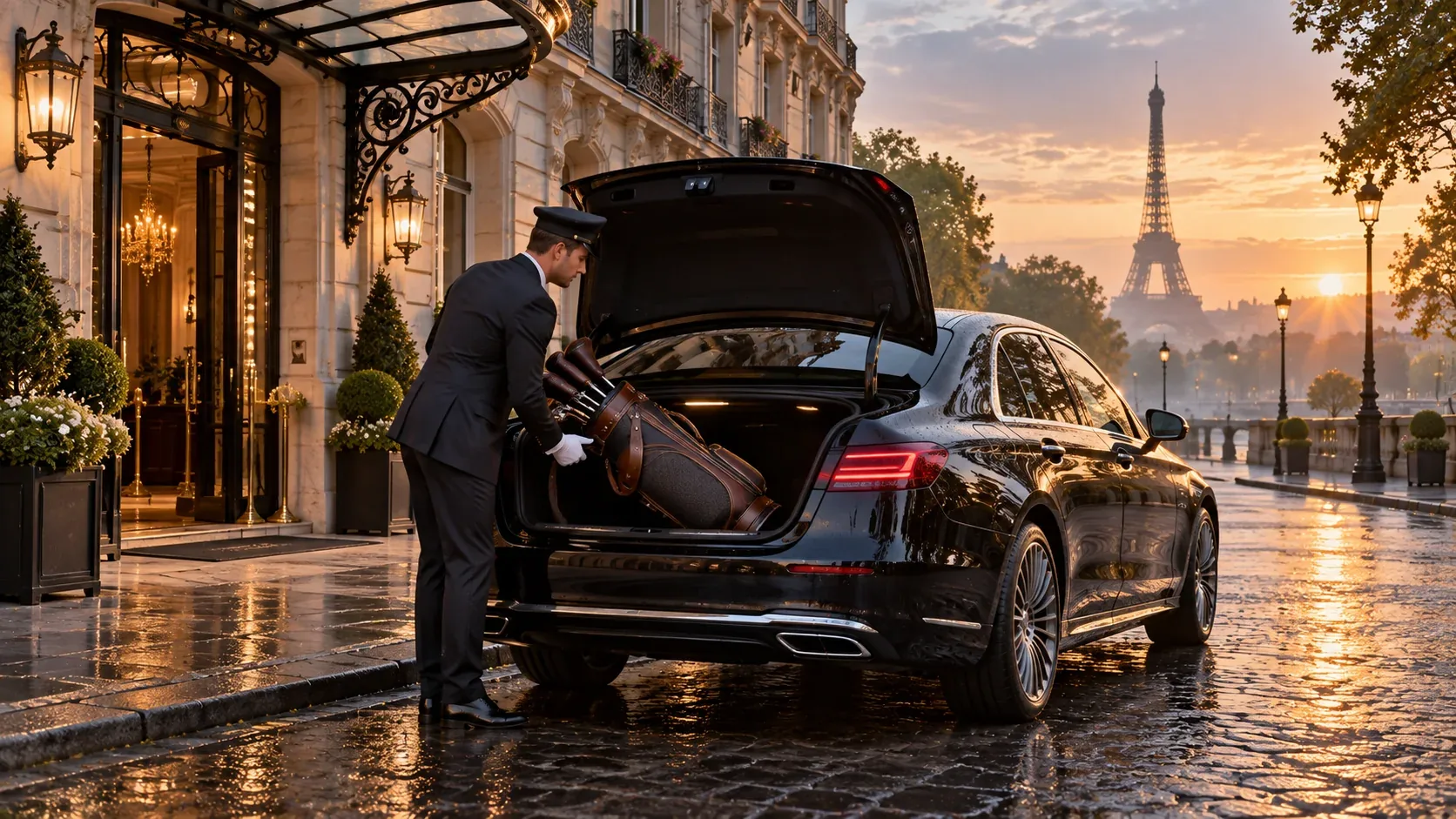
Tee times are early, which is the first constraint. The second is that a round plus lunch runs five or six hours, so a car that drops you and leaves is a car you then have to replace. The third is the clubs themselves: golf bags do not belong on a back seat, and a saloon boot takes two sets, not four.
A car booked by the day solves all three at once. Your chauffeur leaves when your tee time requires, waits at the estate through the round, and takes the bags. For a fourball arriving from different hotels, or a corporate day, several cars run under one point of contact — that is the group arrangement.
We have built the day around this often enough to have made it a Journey of its own.